
Does drinking water really help your skin?
What water can and cannot do for your skin, how much you actually need, and the simple habits that make a bigger difference to dryness and glow.
By Dr. Chetna Dholiya (Godhani). 25 October 2026, 4 min read
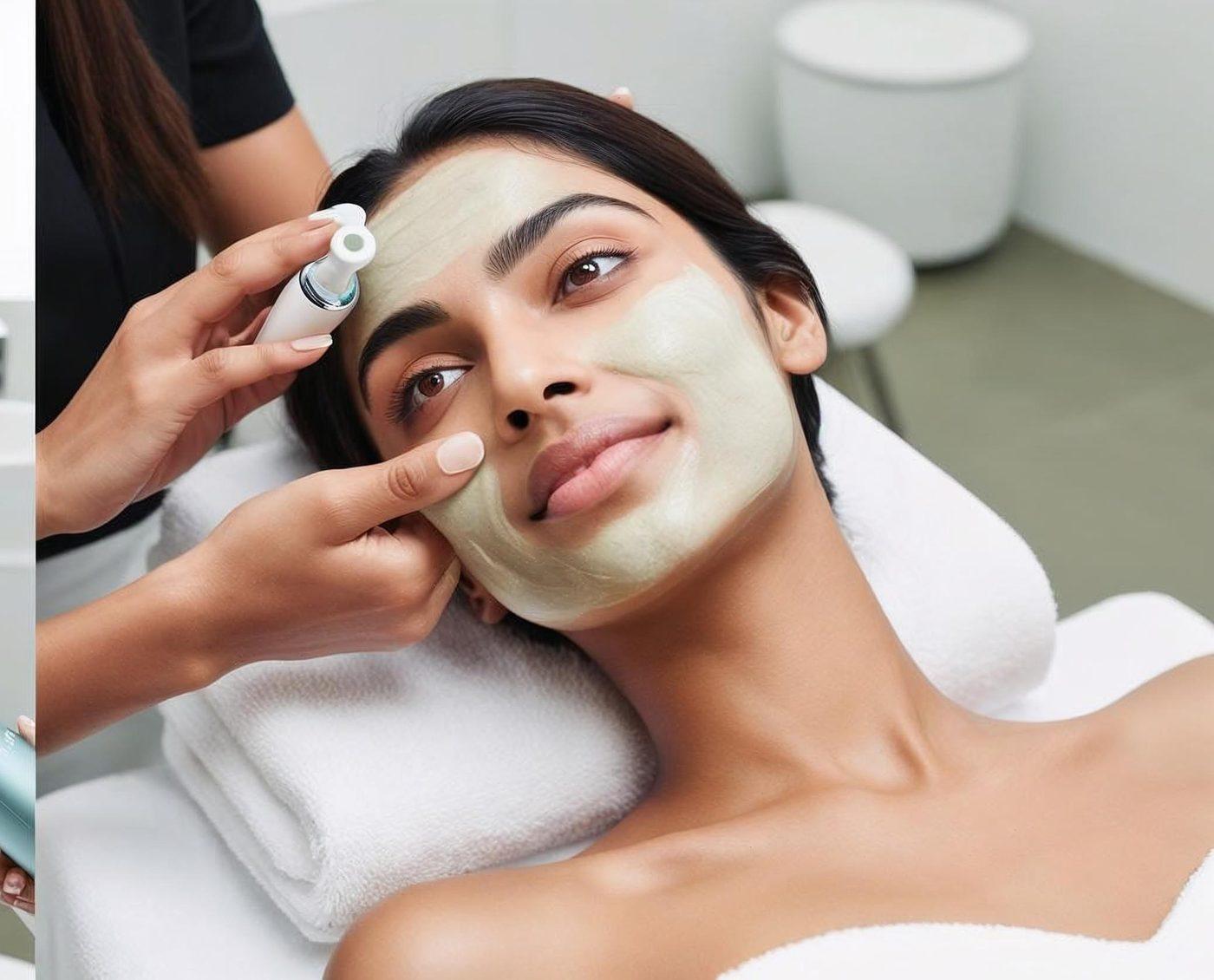
"Drink more water" is probably the most common skin tip you will hear. It is good advice for your health, but the link to glowing skin is more complicated than social media suggests. Here is what water can and cannot do, and what actually keeps skin hydrated.
What water does for your body and skin
Water makes up more than half of your body. It carries nutrients, removes waste, controls temperature and keeps every organ working, including the skin. When you are truly dehydrated, from heat, fever, vomiting, diarrhoea or simply not drinking for a long day in the sun, skin looks dull, feels tight and loses its bounce. Lips crack, and eyes look tired.
So yes: not drinking enough water shows on your skin. Getting back to normal hydration makes a visible difference.
What water cannot do
Once you are drinking enough, drinking extra does not keep adding glow. Your kidneys simply remove the excess. Studies on extra water intake and skin show only small effects, mostly in people who were drinking too little to begin with.
Water also does not:
- Cure acne
- Remove pigmentation or tan
- Erase wrinkles or dark circles
- "Flush toxins" from the skin
Those problems have their own causes and treatments.
Why skin feels dry even when you drink plenty
Skin hydration depends mostly on the outer layer of the skin, the skin barrier, which holds water in. When the barrier is damaged, water escapes into the air, however much you drink. Common barrier-damaging habits:
- Long, hot showers, especially in winter
- Harsh soaps and face washes that leave skin squeaky
- Over-scrubbing and too many active products at once
- Air conditioning for long hours, which dries the air
- Skipping moisturiser, especially after bathing
- Sun damage, which weakens the barrier over time
How much water do you need?
There is no single number that suits everyone. Needs depend on your body size, activity, climate and health. In a hot, humid city like Surat, with sweating, most adults need more than in a cool climate. Simple checks:
- Pale yellow urine through the day is a good sign.
- Thirst is a reliable signal; do not ignore it.
- Drink more in summer, during exercise, on long outdoor days, and when you have fever or loose motions.
- Water from buttermilk, coconut water, soups, fruit (watermelon, oranges, cucumber) and dal all count.
People with kidney or heart conditions should follow their doctor’s advice on fluids.
What actually keeps skin hydrated
- Gentle cleansing. A mild, non-soap cleanser, once or twice a day.
- Moisturise within a few minutes of bathing, while the skin is still slightly damp, to lock in water.
- Choose the right moisturiser. Look for humectants that draw water in, such as glycerin, hyaluronic acid and urea, and barrier ingredients such as ceramides and fatty acids. Oily skin suits light gels; dry skin needs creams.
- Lukewarm, shorter showers.
- Sunscreen every morning, because sun damage weakens the barrier.
- A humidifier or a bowl of water in rooms with all-day air conditioning, if your skin gets very dry.
- Eat healthy fats: nuts, seeds, ghee in moderation, and fish if you eat it.
Signs your skin barrier needs help
- Skin feels tight after washing
- Stinging with products that never used to sting
- Flaky patches with an oily T-zone
- Redness and itching
If you notice these, simplify your routine for two to three weeks: a gentle cleanser, a barrier moisturiser and sunscreen only.
Common questions
Does drinking water clear acne? Not directly. Staying hydrated is good for you, but acne is driven by oil, blocked pores, bacteria and hormones.
Is it bad to drink water with meals? No. It is a myth that water with food harms digestion or skin.
Do HydraFacials hydrate better than drinking water? They work differently. A HydraFacial puts hydrating serums into the outer layer of the skin and gives a visible glow for about a week. Your daily moisturiser and barrier care keep that hydration going.
The bottom line
Drink enough water for your body, especially in Indian heat, because dehydration does show on your skin. Beyond that, glowing, hydrated skin comes from protecting your skin barrier: gentle cleansing, moisturiser on damp skin, and daily sunscreen.
If your skin stays dry, tight or flaky despite good habits, Nayra Skin Clinic in Surat can look at what is happening and suggest a routine or treatment that suits you.
This guide is general information, not personal medical advice. If you are in or near Surat and have a skin or hair concern, book a consultation at Nayra Skin Clinic so we can look at it properly.