
Moles, warts and skin tags: what they are, which are safe to remove, and warning signs
How to tell moles, warts, skin tags and corns apart, the ABCDE warning signs for moles, why home removal is risky, and how clinic removal works.
By Dr. Chetna Dholiya (Godhani). 25 October 2026, 4 min read
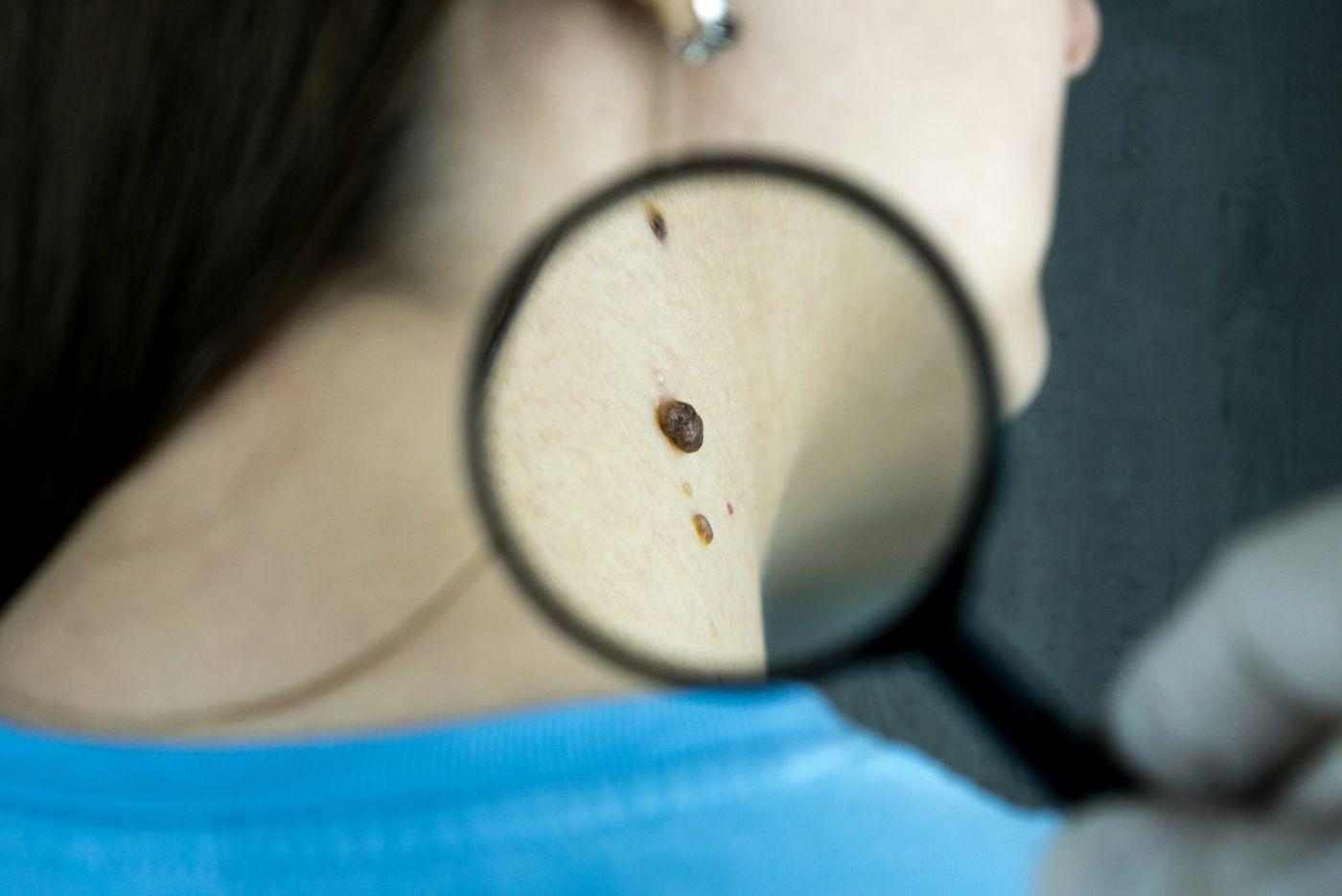
Small growths on the skin are extremely common. Most are harmless, and many people simply want them removed because they catch on chains and collars, bother them when shaving, or they do not like how they look. This guide explains what each kind is, which signs need a doctor’s attention, and how safe removal works.
Telling them apart
Moles
Brown or black spots, flat or raised, made of clusters of pigment cells. Most people have several, and new ones can appear until about age 30. A few moles are present from birth.
Warts
Rough, raised growths caused by a virus (human papillomavirus, HPV). Common on the hands, fingers, knees and soles of the feet. Flat warts can appear on the face and forehead, often in lines where they have been scratched or shaved. Warts can spread to other areas and, occasionally, to other people.
Skin tags
Soft, small flaps of skin on a thin stalk, usually on the neck, underarms, eyelids and groin. Very common with age, weight gain, pregnancy and insulin resistance. Harmless, but they can catch on jewellery and clothing.
Corns and calluses
Hard, thickened skin on the feet from pressure and friction. A corn has a hard central core that presses inwards and hurts when you walk. Not caused by a virus, which is how they differ from plantar warts.
Seborrhoeic keratoses
Brown, "stuck-on", slightly waxy growths that appear with age, often on the face, chest and back. Harmless, but they can look like moles.
Dermatosis papulosa nigra (DPN)
Many small, dark, raised spots on the cheeks and around the eyes, very common in brown skin and often running in families. Harmless and easily removed.
Mole warning signs: the ABCDE rule
Most moles are harmless. But a mole that changes needs to be checked before anything else, because rarely it can be a skin cancer such as melanoma. Look for:
- A – Asymmetry: one half does not match the other
- B – Border: irregular, ragged or blurred edges
- C – Colour: several colours, or uneven shades of brown, black, red, white or blue
- D – Diameter: larger than about 6 mm (the size of a pencil eraser), or growing
- E – Evolving: any change in size, shape, colour or height, or new symptoms
Also see a doctor for a mole that bleeds, itches, crusts or will not heal, a new dark line under a nail, or a sore that does not heal in a few weeks. Moles on the palms and soles deserve attention in Indian skin.
A good clinic will not remove a suspicious mole for cosmetic reasons. It will refer you for a proper check first.
Why home removal is a bad idea
Tying a thread around a skin tag, cutting a wart with a blade, applying acid, lime and "wart removal" pastes, or burning with incense sticks are common in India, and risky:
- Infection and bleeding, sometimes heavy
- Scars and dark marks that look worse than the original growth
- Spreading warts to nearby skin by scratching and cutting
- Missing a serious mole, which needed a check, not a home removal
How clinic removal works
- Examination: the growth is checked to make sure it is harmless.
- Numbing: a small injection or numbing cream.
- Removal: a precise laser or radiofrequency (RF) device removes the growth layer by layer, sealing tiny blood vessels as it goes. Skin tags and DPN take seconds each; moles and warts take a few minutes.
- Healing: a small scab forms and falls off in 7 to 10 days, leaving a pink spot that fades over weeks.
Corns are treated by paring the hard core and relieving the pressure that causes them. Warts may need more than one sitting, and sometimes creams or other treatments, because the virus can remain in nearby skin.
Aftercare
- Keep the area clean and dry, and apply the ointment advised.
- Do not pick the scab.
- Use sunscreen on the area for a few months to prevent dark marks.
- For corns, use soft, well-fitting footwear and cushioning pads.
Common questions
Will a removed mole come back? Usually not. A deep mole occasionally leaves a little pigment behind, which can be treated in a second short sitting.
Do skin tags come back? The removed tag does not, but new ones can form elsewhere, especially with weight gain or insulin resistance.
Is removal painful? You feel the small numbing injection; after that, the removal itself is painless.
Will it leave a scar? Small growths usually heal with a faint mark that fades. Larger or deeper growths can leave a small scar, especially in people who form keloids. We discuss this before removal.
The bottom line
Most skin growths are harmless and can be removed quickly and safely in a clinic. A mole that is changing, bleeding or unusual needs a check, not removal for looks. Avoid home methods.
If you are in Surat, Nayra Skin Clinic examines every mole, wart, skin tag and corn first, and removes harmless growths with laser in a short visit.
This guide is general information, not personal medical advice. If you are in or near Surat and have a skin or hair concern, book a consultation at Nayra Skin Clinic so we can look at it properly.