
Dandruff: what causes it, how to treat it, and when it is something else
Why dandruff keeps coming back, the right way to use anti-dandruff shampoo, the truth about oiling, and the scalp problems that look like dandruff.
By Dr. Chetna Dholiya (Godhani). 25 October 2026, 4 min read
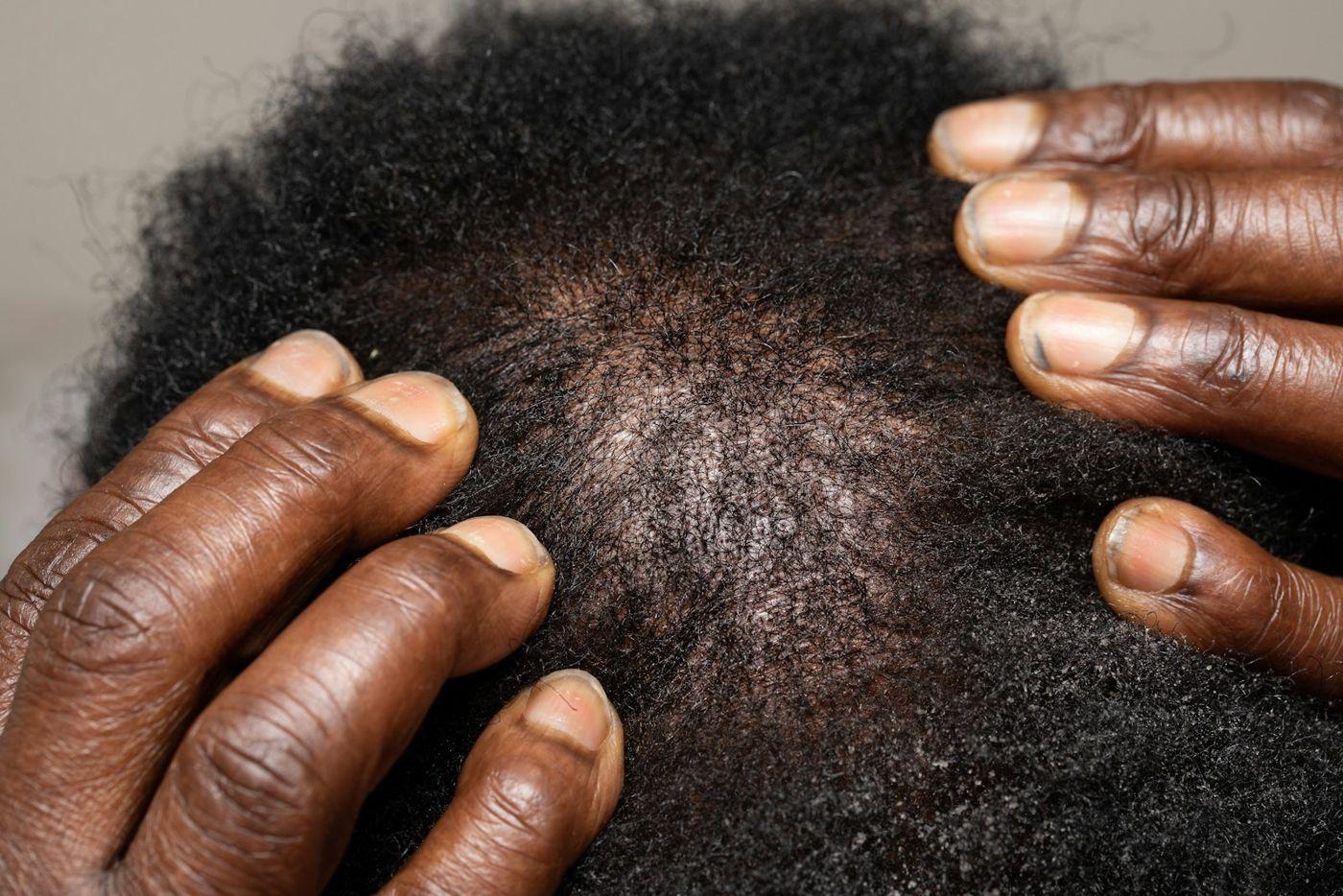
White flakes on a dark shirt, an itchy scalp in the middle of a meeting, flakes in the eyebrows: dandruff is one of the most common scalp complaints in India, especially in humid weather and among people who wear helmets. It is harmless, but it is annoying, and it tends to come back. Here is how to keep it under control.
What causes dandruff
Dandruff is a mild form of a condition called seborrhoeic dermatitis. Three things come together:
- Oil (sebum) on the scalp
- A yeast called Malassezia, which lives on everyone’s skin and feeds on that oil
- Individual sensitivity: in some people, the by-products of the yeast irritate the scalp, which then sheds skin faster than normal, in visible flakes
That is why dandruff is worse:
- In hot, humid weather and with sweating
- Under helmets and caps
- When oil is left on the scalp for days
- During stress, illness or poor sleep
- In winter for some people, when the scalp is also dry
It is not caused by poor hygiene, and it is not contagious.
Dandruff or a dry scalp?
| Dandruff | Dry scalp | |
|---|---|---|
| Flakes | Larger, yellowish or white, often greasy | Small, fine, white and dry |
| Scalp | Oily, sometimes red | Dry, tight |
| Other areas | Eyebrows, sides of nose, behind ears, beard | Dry skin elsewhere |
| What helps | Anti-dandruff shampoo | Gentle shampoo, less frequent hot water, moisturising |
How to use anti-dandruff shampoo properly
Most people use anti-dandruff shampoo the wrong way, which is why it "doesn’t work".
- Choose an active ingredient, such as ketoconazole, zinc pyrithione, selenium sulfide, ciclopirox, salicylic acid or coal tar.
- Apply it to the scalp, not the lengths of your hair.
- Massage gently and leave it on for 3 to 5 minutes before rinsing. This contact time is what makes it work.
- Use it 2 to 3 times a week at first, then once a week to keep dandruff away.
- Rotate two different active ingredients if one stops working.
- Use a mild regular shampoo and conditioner on the other days if you wash more often.
The truth about oiling
Oiling is part of hair care in most Indian homes, and it can help the lengths of the hair. But the dandruff yeast feeds on oil. Leaving oil on the scalp overnight, or for days, often makes dandruff worse.
If you have dandruff:
- Oil only the lengths, or apply oil for an hour before washing and then wash it out.
- Avoid heavy oils left on the scalp for long periods.
- Keep oil away from the forehead if you get acne there.
Habits that help
- Wash your scalp more often in humid weather and after sweating; every second or third day is fine for most people.
- Let hair dry fully before tying it up or wearing a helmet.
- Wash helmet liners, caps, pillow covers and combs regularly.
- Do not scratch with nails, which damages the scalp.
- Manage stress and sleep, as flare-ups often follow tense weeks.
When it may be something else
See a doctor if:
- Flakes are thick, silvery and stuck down in well-defined patches, sometimes beyond the hairline: this can be psoriasis.
- There are round, scaly patches with broken hairs or hair loss, especially in children: this can be a fungal infection (tinea capitis), which needs tablets and spreads within families.
- There are painful boils, pus or crusting: a bacterial infection.
- The scalp itches intensely after a new hair dye: a contact allergy.
- Small moving specks or eggs on hairs: lice.
- Dandruff does not improve after 4 to 6 weeks of proper shampoo use.
Does dandruff cause hair fall?
Dandruff itself does not destroy hair roots, but constant itching, scratching and scalp inflammation can increase shedding. Treating the dandruff usually reduces that hair fall.
The bottom line
Dandruff is a common, harmless, recurring scalp condition linked to oil and a natural yeast. The right shampoo used the right way, sensible oiling and regular washing keep it under control. If it is thick, patchy, painful or not improving, get it checked, because it may be something else.
If you are in Surat, Nayra Skin Clinic treats dandruff, itchy scalp and scalp infections, and can tell you exactly what is causing your flakes.
This guide is general information, not personal medical advice. If you are in or near Surat and have a skin or hair concern, book a consultation at Nayra Skin Clinic so we can look at it properly.