
Hair fall: what's normal and when to get it checked
Losing some hair every day is normal. Here is how to tell everyday shedding from hair fall that needs attention, the common causes, and what helps.
By Dr. Chetna Dholiya (Godhani). 20 October 2026, 4 min read
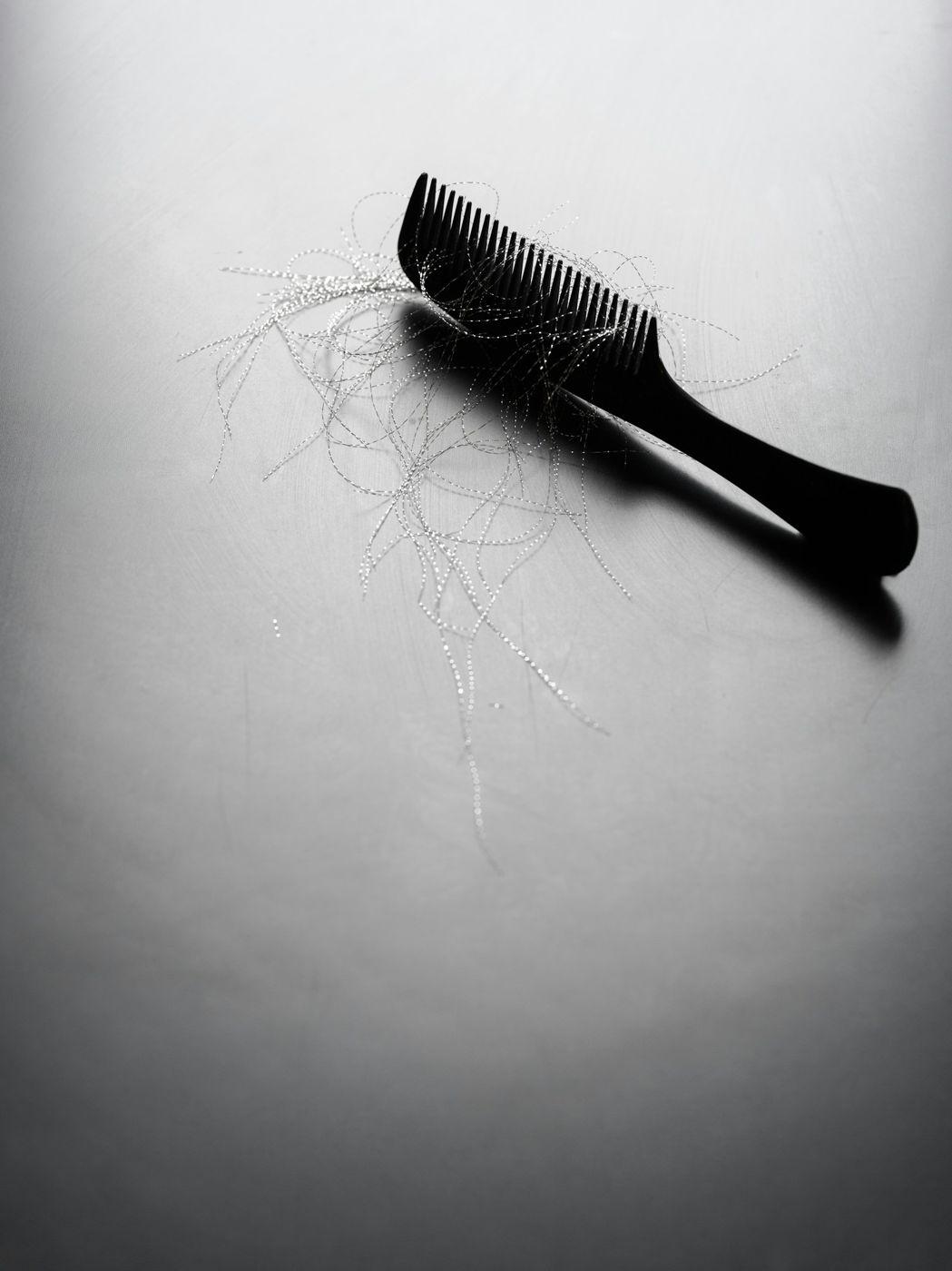
Finding hair on your pillow, in your comb or on the bathroom floor can be worrying, for women and men alike. The good news is that some hair fall every day is completely normal. The key is knowing when it is more than normal, and what to do about it.
How hair grows
Each hair grows from a root (follicle) in a cycle with three main stages:
- Growing (anagen): lasts 2 to 6 years on the scalp. About 85 to 90% of your hair is in this stage at any time.
- Resting (telogen): lasts about 3 months. The hair stops growing and stays in place.
- Shedding: the resting hair falls out, and a new hair starts growing from the same root.
Because each hair is at a different point in its cycle, you shed a little every day, while new hairs keep replacing them.
How much hair fall is normal?
Most people lose somewhere around 50 to 100 hairs a day. You notice it more on wash days, because loose hairs collect and come out together, and if your hair is long, each hair looks like more. Many people who wash only twice a week see a lot of hair in the shower and assume something is wrong, when it is simply two or three days’ worth of normal shedding.
A simple home check
Gently run your fingers through a small section of dry hair and give a light tug. Losing 2 to 5 hairs is normal. Consistently losing many more, from several areas, suggests increased shedding.
Common reasons for extra hair fall
- Stress, illness or high fever. Dengue, typhoid, COVID, surgery or a major emotional shock can push many hairs into the resting stage at once. Heavy shedding often starts two to three months after the event, which is why people rarely connect the two. It usually recovers within six months.
- After pregnancy. Many new mothers notice heavy shedding a few months after delivery. It usually settles on its own within a year.
- Diet. Crash diets, or too little protein and iron, show up in your hair. Low iron, vitamin D and B12 are very common in India.
- Thyroid and hormones. Thyroid imbalance and PCOS can both cause hair fall.
- Tight hairstyles and heat. Tight buns, braids, daily straightening and tight helmets worn for hours put stress on the hair.
- Genetics. In many men, and some women, hair slowly thins at the crown, parting or temples. This is pattern hair loss, and starting care early helps.
- Dandruff and an itchy scalp. An irritated scalp is not a healthy base for hair.
- Some medicines, and stopping or starting hormonal pills.
Myths about hair fall
- "Washing causes hair fall." It only releases hairs that were already loose. Washing regularly keeps the scalp healthy.
- "Oiling stops hair fall." Oil can protect the lengths of the hair, but it does not reach the root cause. Left on for days, it can worsen dandruff.
- "Cutting hair makes it grow faster or thicker." Hair grows from the root; trimming only removes split ends.
- "Changing shampoo will fix it." Rarely. The cause is usually inside the body or the scalp.
Simple habits that help
- Eat regular meals with enough protein: dal, paneer, eggs, sprouts, curd, soya, nuts.
- Include iron-rich foods such as leafy greens, pulses, dates, jaggery, bajra and ragi, with vitamin C such as lemon or amla.
- Be gentle with wet hair. Use a wide-tooth comb and avoid rubbing with a towel.
- Keep tight hairstyles and hot tools for occasional use.
- Wash your scalp regularly, especially in humid weather or if you wear a helmet daily. Oil left on for days can worsen dandruff.
- Sleep well and manage stress, which affect hair more than people expect.
When to get it checked
Book a consultation if you notice:
- Patches of hair loss, a widening parting or a receding hairline
- Hair fall that continues for more than three months
- An itchy, flaky or painful scalp
- Hair loss along with tiredness, weight changes or irregular periods
- Thinning that is visible in photos or under bright light
Some of these need a blood test, and some need specialist treatment. A proper scalp check tells you which.
How long does recovery take?
Hair grows about a centimetre a month. Once the cause is treated, shedding usually slows within 6 to 8 weeks, new short hairs appear around 3 months, and visible thickness returns over 6 months or more. Patience is part of the treatment.
The bottom line
Losing 50 to 100 hairs a day is normal. Sudden heavy shedding, thinning, patches or scalp symptoms are worth a check, because most causes can be found and treated.
If you are in Surat, Nayra Skin Clinic can examine your scalp, suggest any tests you need, and plan treatment, including PRP if it suits you.
This guide is general information, not personal medical advice. If you are in or near Surat and have a skin or hair concern, book a consultation at Nayra Skin Clinic so we can look at it properly.