
Hair fall treatment
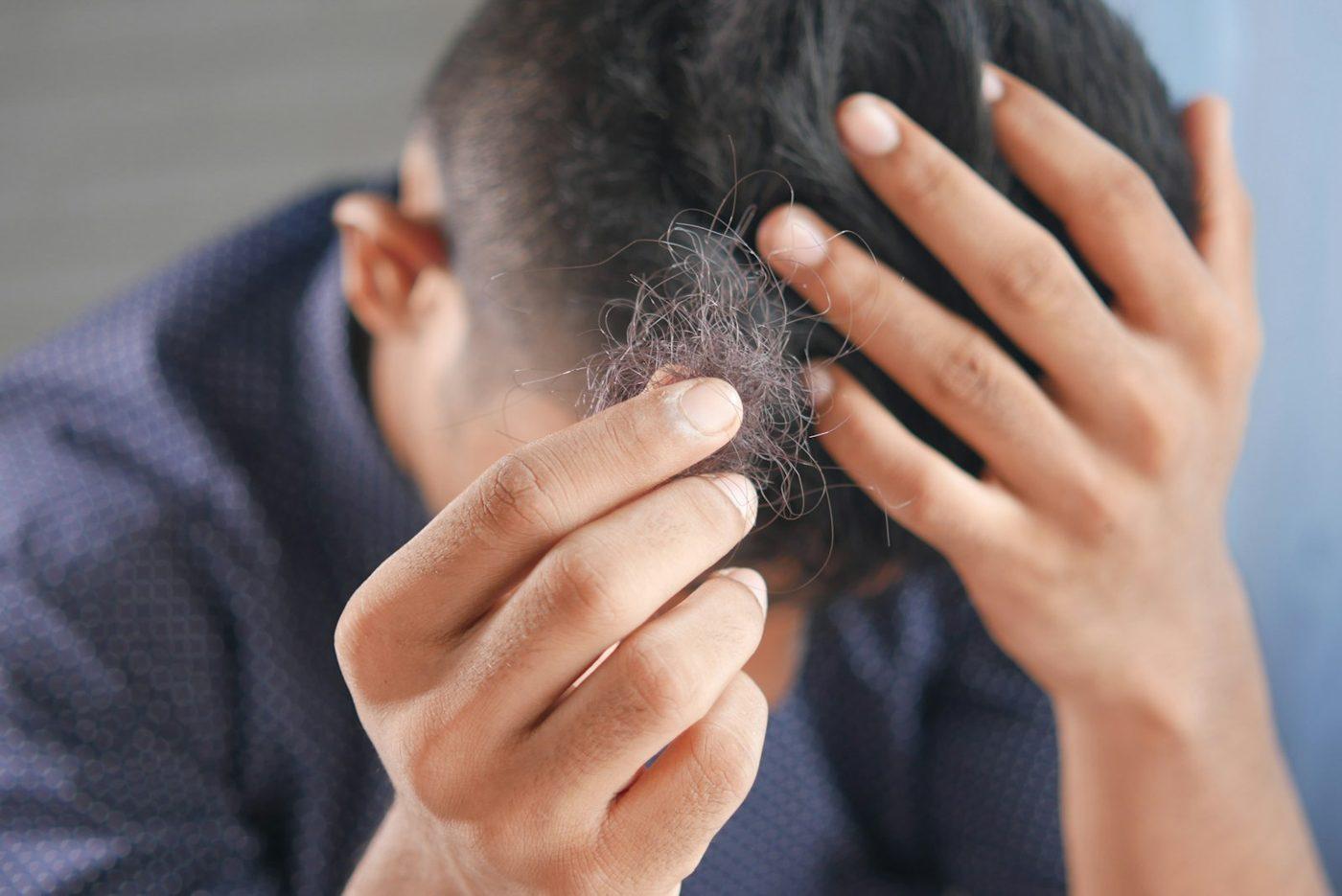
Hair fall has many causes: stress, diet, hormones, illness, dandruff or family history. We start by finding yours, then plan treatment that may include scalp treatments, PRP and simple changes at home.
How it works
Hair fall is a symptom, not a diagnosis. The common causes are temporary shedding after illness, fever, surgery, stress or childbirth (telogen effluvium); low iron, vitamin D, B12 or protein; thyroid imbalance; PCOS; dandruff and scalp inflammation; and inherited thinning, known as male or female pattern hair loss.
We look at your scalp, your hair density and the pattern of loss, and ask about your diet, health, periods and family history. If needed, a few simple blood tests confirm the cause. Treatment is then matched to it: correcting deficiencies, calming the scalp, PRP or other scalp treatments for thinning, and medicines where they help.
Good for
- Heavy daily hair fall
- Thinning at the crown or parting
- Receding hairline in men
- Hair fall after pregnancy or illness
How many sessions?
Hair grows slowly, so expect to see change over 3 to 6 months.
What to expect
- 1
Scalp and hair check
We examine your scalp and ask about your health and habits.
- 2
Tests if needed
Sometimes a simple blood test helps find the cause.
- 3
Treatment plan
Clinic sessions plus home care, reviewed every few weeks.
Results and how long they last
Shedding usually slows within 6 to 8 weeks once the cause is treated. New growth shows as short hairs along the parting after about 3 months, and fuller hair takes 6 months or more, because hair grows only about a centimetre a month.
What affects the cost
The cost depends on the cause: some people need only advice and supplements, others need a course of PRP or scalp treatments.
We tell you the full cost of your plan before you start, so there are no surprises. For today’s price, or a running offer, just ask on WhatsApp.
Before you book, tell us if
- Hair is coming out in patches, or with scaling, pus or pain (needs a closer look)
- You recently started a new medicine, or had a crash diet or major illness (tell us)
- You are pregnant or breastfeeding (we usually wait)
Aftercare
- Eat enough protein every day
- Be gentle with wet hair
- Avoid tight hairstyles and daily heat styling
Questions people ask
Can hair grow back?
In many cases, yes, especially when treatment starts early. We will tell you honestly what to expect.
How much hair fall a day is normal?
Losing about 50 to 100 hairs a day is normal. More than that for several weeks, or a widening parting, is worth getting checked.
Will changing my shampoo stop hair fall?
Rarely. Hair fall starts at the root, inside the scalp. A gentle shampoo helps scalp health, but the cause has to be treated.
Is hair fall after delivery permanent?
No. It usually starts 2 to 4 months after delivery and settles within 6 to 12 months. Iron, protein and gentle care help it recover faster.
Read more in our guides
- Hair fall in women: thyroid, iron, PCOS, after delivery, and what helpsThe common reasons women lose hair, how to tell shedding from thinning, which tests help, and treatments that work, explained simply.
- Hair loss in men: early signs of baldness and treatments that actually workHow male pattern baldness starts, how to spot it early, what does and does not help, and how PRP and medical treatment fit in.
- Hair fall: what's normal and when to get it checkedLosing some hair every day is normal. Here is how to tell everyday shedding from hair fall that needs attention, the common causes, and what helps.
Also in hair and scalp
Ask about hair fall treatment
Send us a message on WhatsApp with your concern. We reply during clinic hours and help you choose the right first step.